The Ancient Ritual: Why Humanity Has Always Turned to Healing Oils
From Egyptian bathhouses and Ayurvedic massage to baobab and marula in Southern Africa, a history of botanical oils and why we still reach for them.
10 min read/
There is something profoundly human about reaching for oil. Long before moisturisers lined department store shelves, before skincare routines became trends on social media, and before beauty was measured in ingredients with difficult-to-pronounce names, people understood that the natural world had already provided much of what the body needed.
Across continents, across civilisations and across thousands of years, botanical oils have remained one of humanity's oldest forms of self-care. They have soothed weathered skin after long days beneath the sun, softened hair exposed to harsh climates, protected newborns, comforted the elderly and accompanied rituals that marked everything from birth to celebration.
Cultures separated by oceans, languages and centuries all arrived at a remarkably similar conclusion. Nature heals gently. Perhaps that is why, despite all the innovation of the modern beauty industry, we continue to return to oils. Not because they are fashionable. Because they have never stopped working.
Before there were products, there were oils
The story begins long before written history. Archaeologists have discovered evidence suggesting that plant oils were used thousands of years before the first cosmetic brands ever existed. While exact recipes have been lost to time, seeds, fruits and nuts were pressed using simple stone tools, releasing precious oils that quickly became valuable for nourishment, protection and ceremony.
These early oils were never thought of as luxury products. They were simply part of life. Communities learned which trees produced the richest oils, which plants survived harsh climates and which botanical extracts left the skin softer after long days outdoors. Knowledge spread not through textbooks but through observation. A grandmother teaching her daughter.
A healer passing wisdom to an apprentice. A family preserving traditions across generations. Long before science explained why certain oils worked, people already knew that they did.
Egypt: care as an act of respect
Among the earliest civilisations to celebrate botanical oils were the ancient Egyptians. To many, Egypt is remembered for its pyramids, magnificent temples and extraordinary works of architecture. Yet beneath these monuments existed another remarkable tradition: a deep understanding of personal care. Bathing was considered an essential part of daily life. Oils played a central role in protecting the skin from the relentless desert climate while perfumes infused with botanical extracts became symbols of refinement and hospitality.
Olive oil, castor oil and moringa oil were commonly used for cleansing, moisturising and massage. Historical records even suggest that oils accompanied religious ceremonies and burial rituals, representing purification and renewal. To the Egyptians, caring for the body was not an act of vanity. It was an act of respect. Thousands of years later, that philosophy still feels strikingly modern.
Greece and Rome: oil as recovery
Across the Mediterranean, the ancient Greeks viewed oil through a different lens. Athletes preparing for the Olympic Games would massage olive oil into their skin before competition. Philosophers discussed the importance of balance between physical health and intellectual wellbeing, while daily bathing became intertwined with rituals of recovery and community.
Oil represented vitality. It prepared the body for movement and helped restore it afterwards. The idea that wellness extends beyond appearance is not a recent invention. It is one of civilisation's oldest beliefs. The Romans expanded these traditions further. Public bathhouses became centres of daily life where citizens gathered not only to cleanse themselves but to relax, socialise and recover.
Warm baths were followed by massage using botanical oils, allowing both skin and muscles to recover after work or travel. There was an understanding that slowing down held value. That caring for the body improved the quality of life. Modern spas continue this tradition today, though few people realise just how ancient these rituals truly are.
Africa: the trees that became companions
While Europe refined its bathing culture, Africa continued nurturing an extraordinary relationship with its own botanical landscape. Across the continent, trees that had survived centuries became trusted companions to daily life. The baobab, often called the Tree of Life, provided nourishment, shelter and healing. Its seeds yielded an oil rich enough to protect skin exposed to dry climates while helping maintain softness through changing seasons.
Marula trees flourished throughout Southern Africa, their fruit feeding both wildlife and communities. The kernels hidden within produced an exceptionally light oil treasured for both skin and hair. Far to the north, Moroccan women perfected the careful art of extracting argan oil, preserving techniques that continue to support families and communities today.
Elsewhere, shea, mongongo, kalahari melon and countless other botanicals quietly became part of everyday routines. None of these traditions emerged because someone wanted to create a beauty trend. They emerged because people paid attention to the natural world. They observed. They experimented. They remembered. Knowledge became heritage.
India and Japan: patience as a practice
In India, another tradition was flourishing. Ayurveda, one of the world's oldest systems of holistic wellness, embraced botanical oils not only as skincare but as tools for restoring balance throughout the body. Warm oil massages became part of daily rituals designed to calm the nervous system, nourish the skin and encourage overall wellbeing.
Hair oils were applied generously to protect against dryness while scalp massage became recognised as an act of both physical and mental restoration. Today, many of these practices continue almost unchanged. Proof that the finest rituals rarely require reinvention. In Japan, beauty followed an equally thoughtful philosophy. Minimalism, patience and consistency mattered more than abundance.
Camellia oil became known for leaving hair glossy and manageable while nourishing the skin without heaviness. The ritual itself became just as important as the result. Beauty was not rushed. It unfolded quietly through repeated care. What is remarkable is not that these cultures used different oils. It is that they all understood the same principle.
Healthy skin responds to nourishment. Healthy hair responds to care. Neither can be forced. Both improve through consistency rather than intensity. This understanding appears again and again throughout history, regardless of geography. Perhaps because it is simply true.
What science later explained
Modern science has given us language that ancient civilisations never possessed. Today we speak of fatty acids, antioxidants, lipid barriers and moisture retention. Researchers explain how certain botanical oils help reinforce the skin's natural protective barrier, reduce water loss and improve overall comfort. We understand why jojoba behaves similarly to our own sebum.
Why marula contains beneficial antioxidants. Why baobab supports skin elasticity. Why squalane absorbs so effortlessly. Science has validated much of what traditional communities already knew through experience. The methods may differ. The conclusions remain remarkably similar. This is not to suggest that every ancient remedy should replace modern medicine.
History deserves appreciation without romanticising it. But there is wisdom in recognising that some traditions have survived because they continue to serve us well. Botanical oils remain among them. Not because they promise perfection. Because they offer something quieter. Comfort. Nourishment. Consistency. Perhaps this explains why applying oil still feels instinctively familiar.
Even if we've never considered its history, there is something deeply calming about warming a few drops between our palms before smoothing them across the skin. The movement encourages us to slow down. To notice. To breathe. It transforms skincare from a task into a ritual. And rituals have always mattered. They remind us to pause between the demands of the day. They anchor us in the present. They reconnect us with ourselves.
Where THE OIL fits into the story
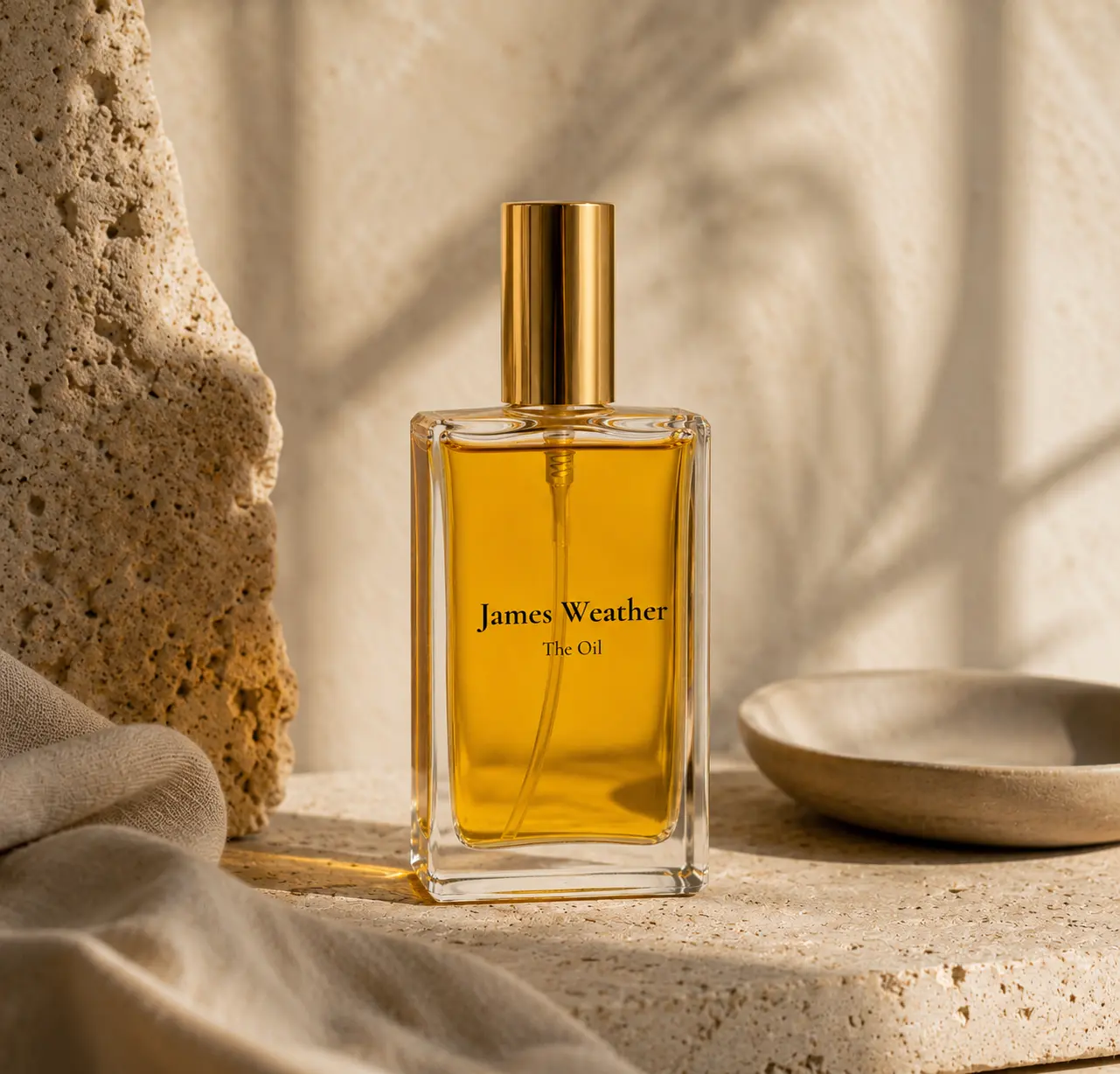
James Weather was created in that same spirit. Not to reinvent what humanity has always known. Not to complicate centuries of botanical wisdom. Simply to honour it. By bringing together carefully selected botanical oils into one beautifully balanced blend, The Oil continues a story that began long before any of us arrived. A story told beneath baobab trees.
Across Moroccan hillsides. Within Roman bathhouses. Along Egyptian rivers. Inside Japanese homes. Across African landscapes where knowledge was passed from one generation to the next. It is a story of patience. Craftsmanship. Nature. And care. In many ways, the bottle resting on your bathroom shelf is far more than a cosmetic product.
It is the latest chapter in one of humanity's oldest rituals. A quiet reminder that while the world continues moving faster, some of life's finest traditions ask us to do the opposite. To slow our hands. To soften our movements. To care for ourselves with intention. And to trust that nature, when respected, still knows how to take care of us.
Because long before beauty became an industry, it was simply a relationship between people and the land beneath their feet. Some relationships are timeless. This is one of them.