The Wisdom of the Wild: Why Africa's Finest Botanical Oils Still Matter
Jojoba, baobab, argan, marula, Kalahari melon and squalane. A look at the six cold pressed botanicals inside THE OIL, and why they work better together than alone.
9 min read/
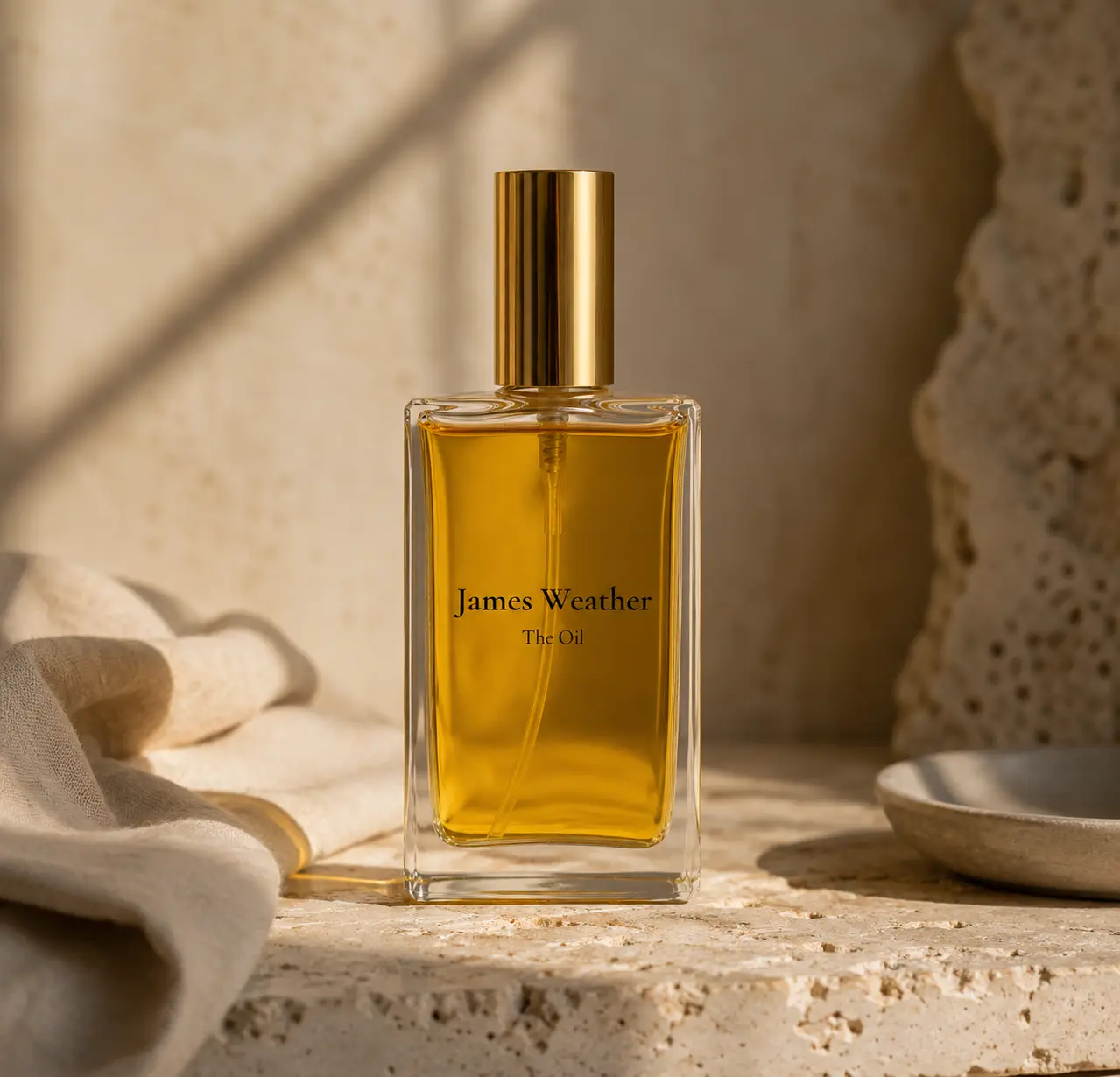
There is a tendency, particularly in modern beauty, to believe that newer always means better. Every year brings another breakthrough ingredient. Another laboratory discovery. Another complex formulation wrapped in scientific terminology that few of us fully understand. Beauty shelves evolve almost as quickly as fashion collections, encouraging us to replace what worked yesterday with what promises more tomorrow.
Yet some of the world's most remarkable skincare ingredients are not new at all. They have been growing quietly for thousands of years. Long before beauty became an industry, before dermatology clinics and cosmetic laboratories, before ingredient lists stretched across the back of every bottle, people looked to the land around them. They observed which trees survived the harshest summers, which seeds protected themselves against unforgiving climates, and which fruits left the skin feeling softer after harvest. Knowledge was not downloaded or researched online. It was handed down from one generation to the next, refined through experience rather than advertising.
Africa has always been one of the richest sources of this wisdom. Stretching across deserts, mountains, forests and coastlines, the continent is home to an astonishing diversity of plant life. Many of its botanical oils are not simply beautiful ingredients. They are the result of centuries of adaptation. They have evolved in landscapes where survival depends upon resilience, and it is precisely this resilience that makes them so extraordinary for caring for our skin and hair today.
James Weather was born from a respect for that heritage. Not because Africa needs another beauty brand claiming its botanicals, but because these ingredients deserve to be celebrated for what they truly are: timeless, purposeful and remarkably effective.
Six botanicals, one blend
The Oil brings together six carefully selected botanical oils, each chosen not to compete with one another but to work in quiet harmony. Together, they tell a story that stretches across a continent.
Jojoba: the oil that understands skin
Golden Jojoba Oil is often described as one of nature's most intelligent oils, though technically it is not an oil at all. It is a liquid wax extracted from the seeds of the jojoba shrub through cold pressing, a process that gently releases the plant's natural nutrients without exposing them to excessive heat or chemical solvents.
Its greatest gift lies in its similarity to human sebum. Our skin naturally produces oils to keep itself healthy and balanced. Jojoba's molecular structure closely resembles these oils, allowing it to absorb beautifully without leaving behind heaviness. Rather than overwhelming the skin, it works alongside it. For the face, this creates lasting comfort and hydration. For the scalp, it helps soften dryness without weighing hair down. Through the lengths of the hair, it adds shine while maintaining movement. Across the body, it leaves skin feeling nourished rather than coated.
It is often the first oil introduced to those exploring botanical skincare because it understands the skin almost instinctively. There is something quietly elegant about that.
Baobab: the Tree of Life
Further south grows one of Africa's most recognisable trees. The baobab. Often called the Tree of Life, some baobabs have stood for well over a thousand years. Their enormous trunks store water through long periods of drought, allowing them to survive where many other trees cannot. Inside their seeds lies another remarkable adaptation.
Baobab oil is naturally rich in essential fatty acids that help support the skin's protective barrier while improving softness and flexibility. Hair treated with baobab feels more manageable and resilient. Skin appears comforted rather than merely moisturised. It is an ingredient born from endurance. Perhaps that is why it has remained so treasured throughout African communities for generations. The baobab does not rush. Neither should we.
Argan: craftsmanship from Morocco
Travel west towards Morocco and another story begins. Argan oil has become one of the world's most celebrated beauty ingredients, yet its reputation has never depended solely on what it does for hair or skin. It is also a story of craftsmanship. Argan kernels are traditionally collected, dried and pressed by women's cooperatives that have preserved these skills for generations. Modern cold pressing allows the oil to retain its naturally occurring nutrients while producing the smooth, golden liquid recognised across the world today.
Its popularity is well deserved. Hair appears softer, shinier and easier to manage. Skin feels supple. Dryness becomes less noticeable. Rather than sitting heavily on the surface, argan leaves behind an unmistakable silkiness that has made it a favourite among those seeking understated luxury. Not flashy. Simply dependable.
Marula: lightness and luminosity
Across Southern Africa another fruit quietly ripens beneath the summer sun. Marula. Its fruit is enjoyed by both people and wildlife, while the seeds hidden inside produce one of the continent's finest cosmetic oils. Marula has long been appreciated for its exceptionally lightweight texture. Despite being rich in antioxidants and nourishing fatty acids, it absorbs quickly, leaving skin comfortable and luminous rather than oily. Through the hair it encourages softness and movement without compromising volume. It is an ingredient that never asks for attention. It simply performs beautifully. There is something distinctly James Weather about that philosophy.
Kalahari melon: born of the desert
Perhaps the least familiar ingredient within the blend is Kalahari Melon Seed Oil. Its origins lie in one of the most unforgiving landscapes on Earth. The Kalahari Desert is a place where water is precious, temperatures fluctuate dramatically and only the hardiest species survive. Yet the wild melon flourishes here, protecting its valuable nutrients within seeds that yield an incredibly light botanical oil.
Cold pressed Kalahari Melon Seed Oil is particularly loved for its elegant finish. Unlike richer oils that linger heavily upon the skin, it disappears gracefully while helping maintain hydration and supporting the skin barrier. For finer hair textures it provides nourishment without flattening natural movement. For facial use it feels almost weightless. Sometimes the most powerful ingredients are those that leave the gentlest impression.
Squalane and vitamin E: the quiet finish
Completing the blend is plant-derived squalane. Unlike many botanical oils, squalane is prized not because of its history but because of its remarkable performance. Exceptionally stable and featherlight, it helps improve the spreadability of the entire formula while encouraging rapid absorption. It allows the richer botanical oils to glide effortlessly across skin and hair, creating a finish that feels refined rather than greasy.
Finally, Vitamin E helps preserve the freshness of the blend while contributing additional antioxidant support. Neither ingredient dominates. Instead, they allow every botanical to perform at its best.
Why cold pressed matters
One of the defining choices behind James Weather was to use cold pressed oils wherever possible. Cold pressing is exactly what it sounds like. Rather than relying upon excessive heat or chemical extraction, seeds and kernels are mechanically pressed at controlled temperatures to release their oils. This slower process helps preserve many of the naturally occurring compounds that make botanical oils so valuable in the first place.
The result is not simply an ingredient. It is an ingredient that remains closer to the way nature intended. In an age where speed often defines manufacturing, there is quiet beauty in choosing a slower path.
Why they belong together
Perhaps the most important question, however, is not why these ingredients work individually. It is why they belong together. Modern skincare often celebrates hero ingredients in isolation. A bottle of pure argan. A bottle of pure marula. A bottle of pure jojoba. Each has its place. But nature rarely works alone. Forests are ecosystems.
Gardens are ecosystems. Healthy skin is an ecosystem. Hair is an ecosystem. The most thoughtful formulations recognise that balance is often more valuable than concentration. Jojoba provides familiarity. Baobab provides resilience. Marula offers elegance. Argan delivers softness. Kalahari Melon brings lightness. Squalane creates refinement.
Together they become something none could achieve alone. Not louder. Not stronger. Simply more complete. There is a certain irony in discovering that some of the finest beauty innovations are not innovations at all. They are traditions. They are stories carried through generations. They are trees that have stood for centuries. Seeds that have survived deserts.
Crafts preserved by communities who understood long before the rest of the world that nature rarely wastes its finest work. James Weather did not invent these ingredients. It simply brought them together with respect. Every drop is a quiet reminder that luxury does not need to come from complexity. Sometimes it begins with exceptional botanicals, thoughtful craftsmanship and the confidence to let nature speak for itself. Because the finest ingredients never go out of style. They simply continue doing what they have always done. Quietly. Beautifully. Boundlessly.